SeaSwara·Experiences
IV · A day on the shore

A day on this coast, in five acts.

From the nets coming in at dawn to the last of the light over the sea — the things we would do ourselves, if we were staying here for the first time. Take one, take all of them, or take none and sit on the verandah.

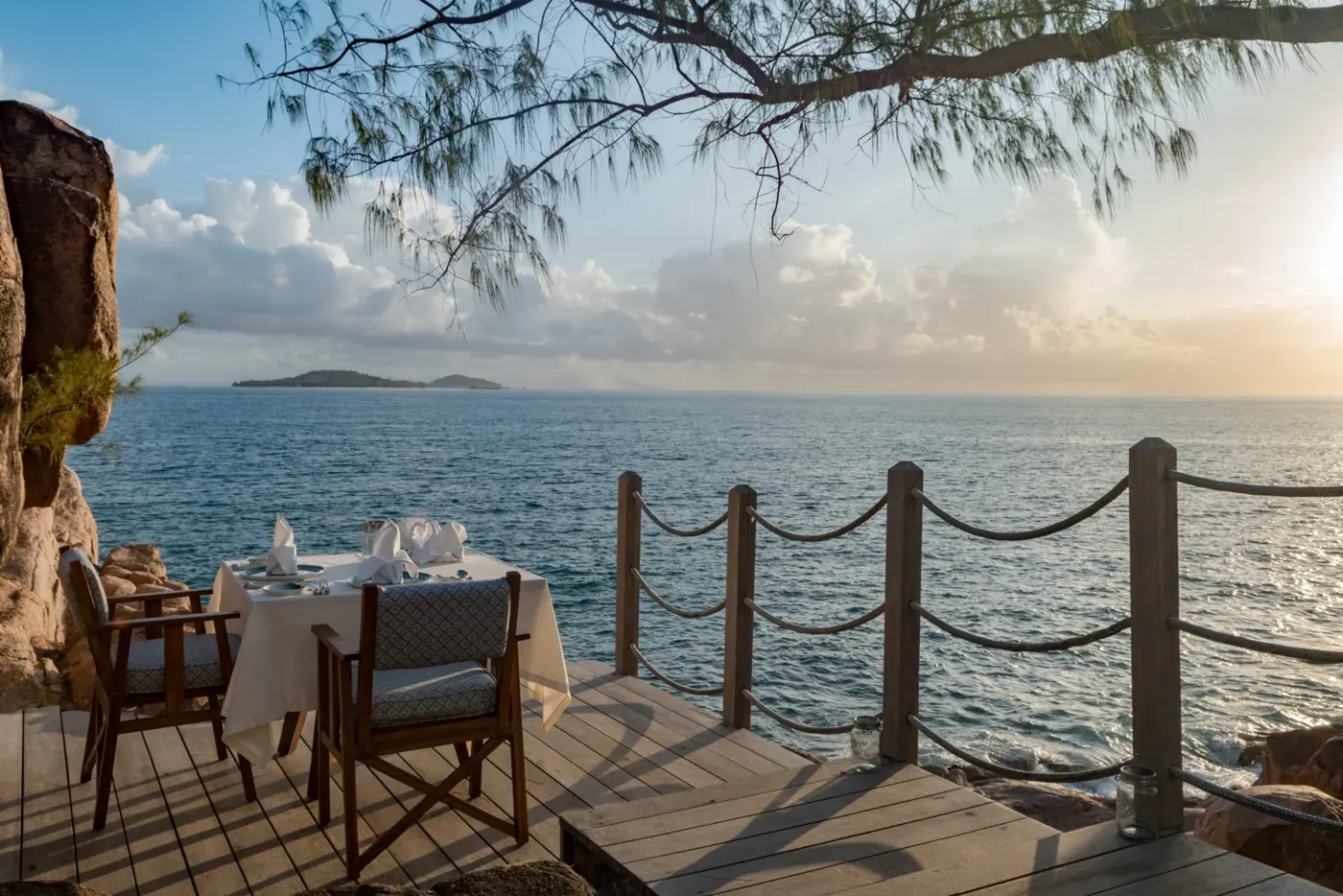
A table laid for dinner on a deck above the sea at dusk
Act three · dinner by the seaPhoto dronepicr · CC BY 2.0
Before breakfast
Yoga · the nets
The afternoon
Masala · a line · tea
At sunset
The boat · the gallery
Further out
Kambala · old town
Act one · before breakfast

The coast is most itself before seven.

By the time most hotels open their breakfast rooms, the best of this coast has already happened. The light comes up out of the palms, the fishermen are in the water, and the beach belongs to whoever bothered to get up. Set an alarm once. You will not regret it.

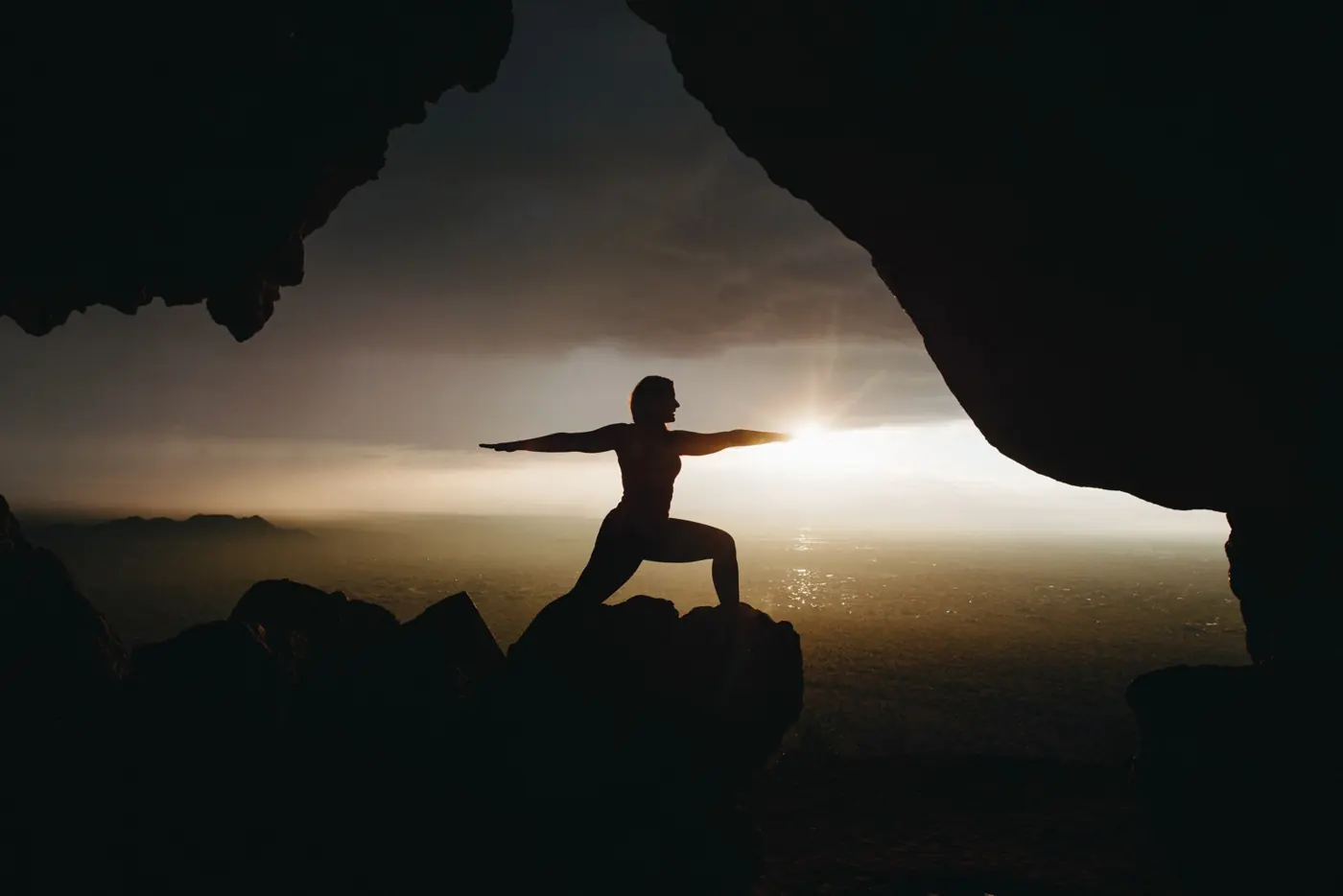
A silhouette holding a yoga pose against the sunrise
Photo Dave Contreras · CC0
Every morning · 06:30 · 60 minutes

Sunrise yoga

The deck is still cool underfoot. The sea is grey, then silver, then gold, and somewhere down the beach the first nets are going out. For an hour you breathe with it — hatha and pranayama, unhurried, taught for the body you actually have rather than the one in the magazine.

Nobody here is performing. Beginners are as welcome as anyone who has practised for years, and the only thing you are asked to bring is yourself. Ginger tea afterwards, and breakfast whenever you are ready for it.
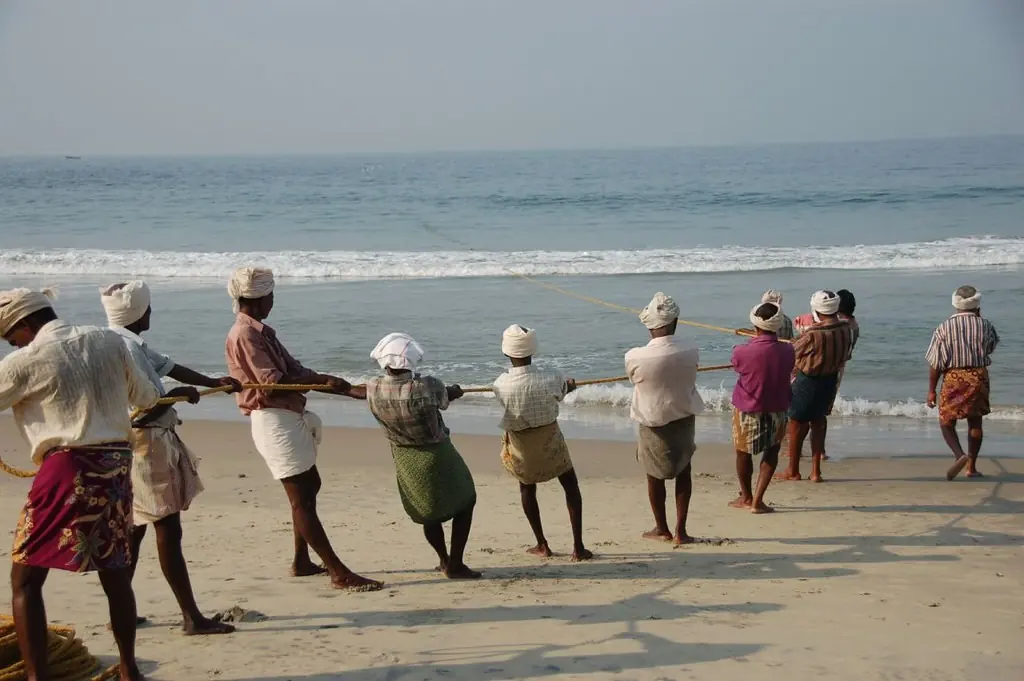
A line of fishermen hauling a shore net out of the surf
Photo The Dilly Lama · CC BY 2.0
Before dawn · 05:30 · three hours

A morning with the fishermen

Before sunrise the rampani crews walk into the surf with a net so long it takes a whole village to bring it home. Two lines of men lean back into the sand and haul, singing to keep time, and for an hour the beach belongs entirely to them.

You watch from close enough to hear the jokes and feel the rope go tight. When the net finally comes in — silver, heaving, alive — the whole shore gathers to see what the sea decided to give. This is how this coast has fed itself for centuries, and very few visitors ever see it.

Act two · the long afternoon

Something to do with your hands — or nothing at all.

The afternoon is when the coast slows down to the speed of the tide. Cook something. Catch something. Or sit on the verandah and let the hours go, which is harder than it sounds and better than anything else on this page.

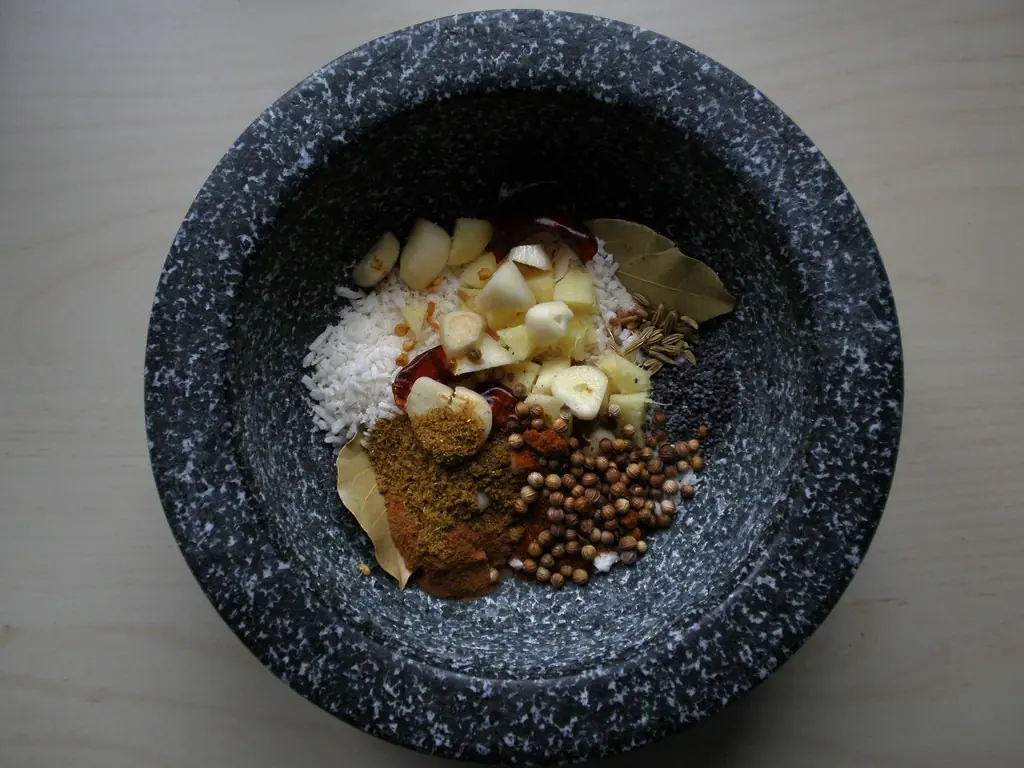
Whole spices in a stone mortar, ready to be pounded
Photo amandabhslater · CC BY-SA 2.0
Late morning or afternoon · 11:00 or 16:00 · 90 minutes

The cooking hour

Every Mangalorean kitchen has a masala that nobody writes down. At Sea Swad it is the paste behind the ghee roast — byadgi chillies, coriander, cumin, pepper, garlic, tamarind — and it is still pounded by hand, because the machine makes it taste of the machine.

For an hour you do it with the cooks: toasting, grinding, smelling the moment it turns. Then it goes into a pan with ghee, and you eat what you made. You take a tin of it home, and for weeks afterwards your kitchen smells of this coast.

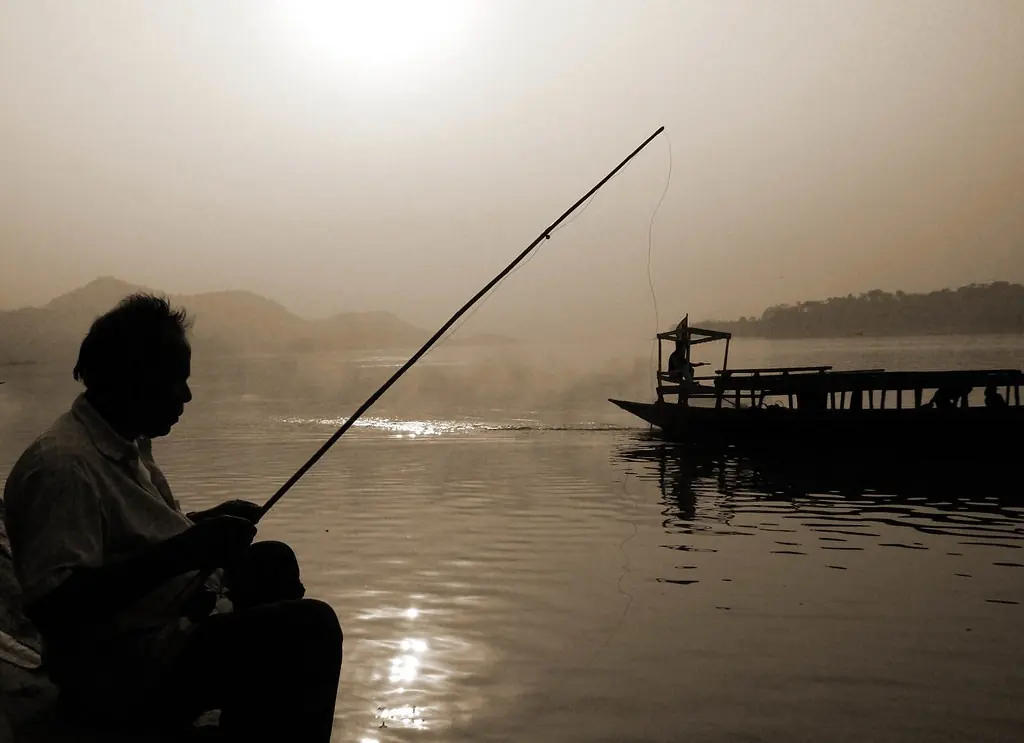
A silhouetted fisherman with a long rod at the water’s edge in soft evening light
Photo Diganta Talukdar · CC BY 2.0
Any afternoon · Behind the house

The fishing spot

It is nothing grand — a simple, quiet spot behind the house where local families have thrown a line for generations. We give you the line and the bait, and the afternoon does the rest.

Some people catch nothing and have the best two hours of their holiday. Some come back with something worth eating — and then it goes to the kitchen, and it comes back to your table that night, cooked the way you like it. There is no fish that tastes better than the one you caught yourself.

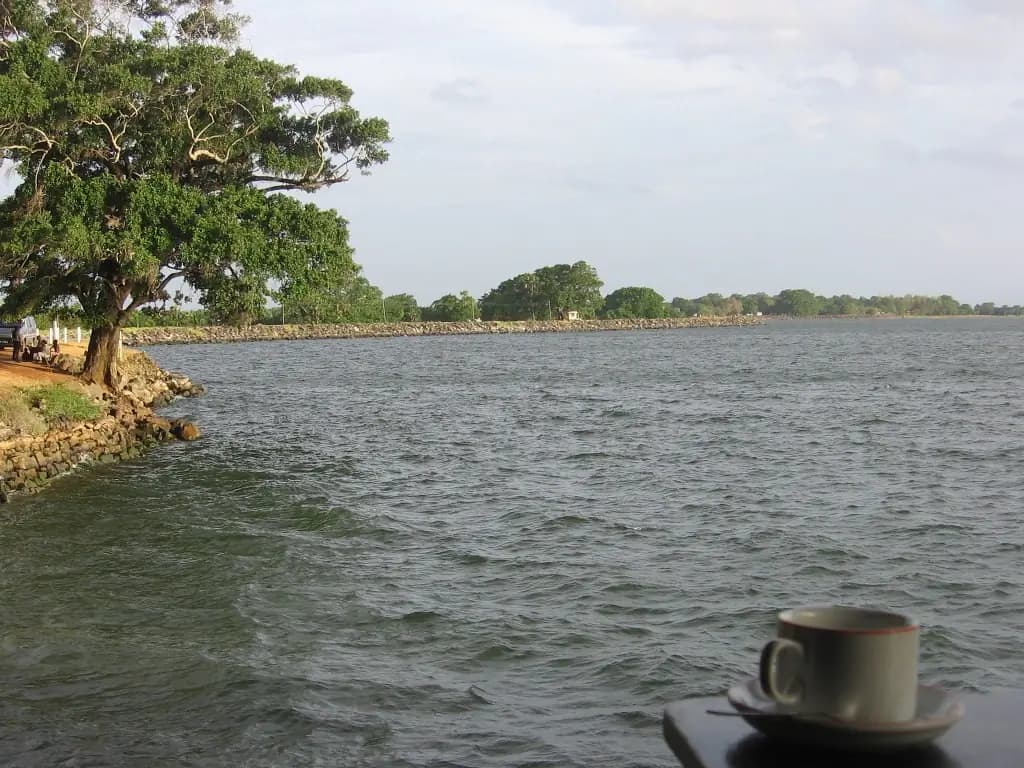
A cup of tea on a ledge above calm water and trees
Photo jaliyaj · CC BY 2.0
Every afternoon · 15:00 – 19:00

The verandah & twelve teas

Between lunch and the sunset there is a stretch of the day that the rest of the world fills with something. Here it is left empty on purpose. A long bench on the verandah, a pot of tea from the Nilgiris, a book you have been meaning to read for a year, and the sea going on and on in front of you.

It sounds like nothing. It is the thing guests remember most.

Act three · sunset

The same performance every evening. Never the same show.

On this coast the sun goes down into the sea, straight ahead, and everybody stops for it. Watch it from the water, or from a table in the gallery with dinner coming.

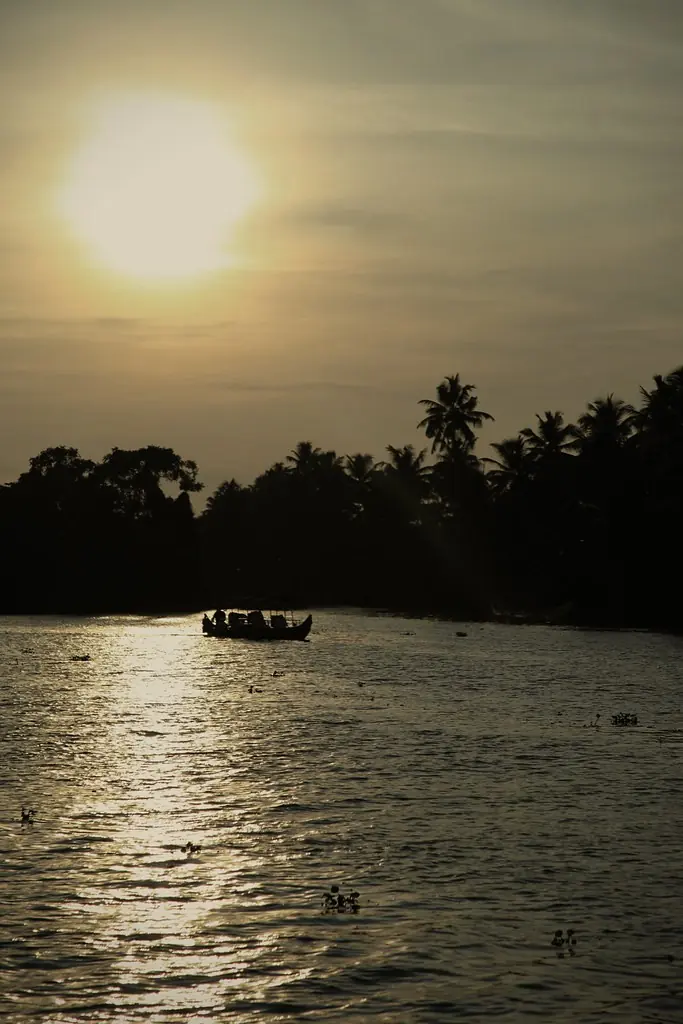
A small boat on still water at dusk with palms on the horizon
Photo VinothChandar · CC BY 2.0
Every evening · 17:45 · 90 minutes

Sunset on the rampani

The boat pushes off from the sand as the light begins to go. A few minutes out, the shore turns into a line of palms and the only sounds are the water against the hull and the engine idling. Someone hands you a kokum sour.

Then the sun goes down into the Arabian Sea — straight ahead, all the way into the water — and for ten minutes nobody on the boat says anything at all. You are back on the sand as the first lights come on in the fishing villages.

A table laid for dinner on a deck above the sea at dusk
Photo dronepicr · CC BY 2.0
Any evening · By request

Dinner in the sea gallery

The gallery opens onto the sea, and in the evening it is the best seat on this coast. Ask, and we set a single table there — candles, the last of the sunset, and the kitchen cooking just for you.

The Mangalorean dishes, the day’s catch, whatever you would like. Nobody at the next table, nobody walking past. Just the surf, getting louder as the dark comes in.

Act four · out on the coast

Tulunadu, as it lives.

Two days out that show you where you are. For the lighthouse, the island, the temples, churches and mosques within the hour, see our places to visit.

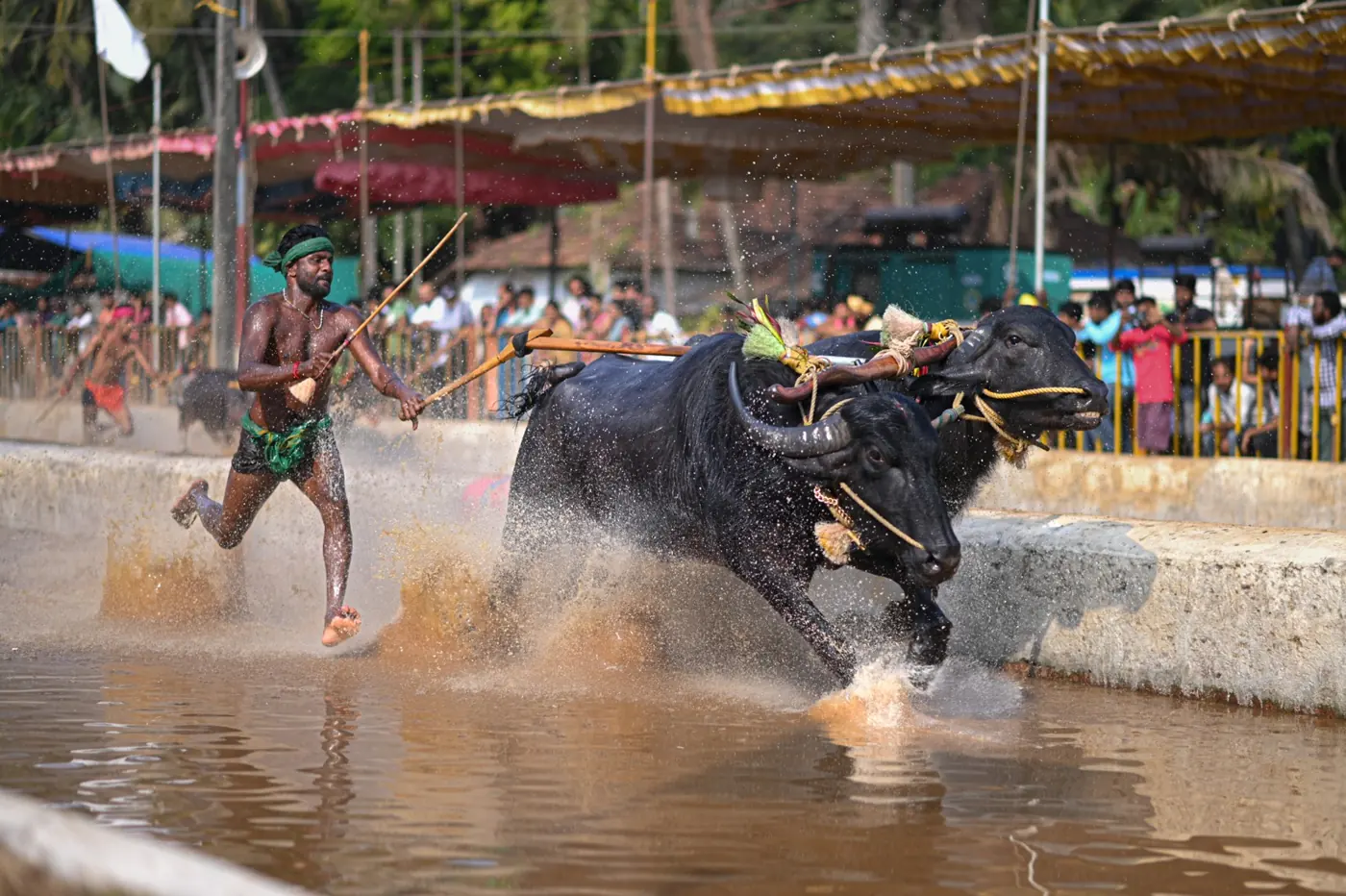
A Kambala racer running behind a buffalo through a flooded track, spray flying
Photo SamrudhKottary · CC BY-SA 4.0
In season · November to March · weekends

Kambala, the buffalo race

Nothing prepares you for Kambala. Two parallel tracks of flooded paddy, a pair of buffaloes thundering down each one, and behind them a farmer running barefoot, holding on, sending up walls of muddy water that catch the sun.

Crowds line the banks, drums go, commentators shout over loudspeakers, and whole villages turn out in their best clothes. It is a harvest festival, a sport, and centuries of Tulunadu pride all at once — and it happens only on this coast.

Red Mangalore-tiled rooftops among coconut palms
Photo Premkudva · CC BY-SA 3.0
Morning or late afternoon · 07:30 or 16:00 · three hours

Mangaluru old town walk

Mangaluru is older and stranger than most visitors realise. The red clay roof tiles you see on roofs across South India were first made here, in factories that still stand. Bunder, the old harbour, still lands fish at dawn with the noise of a stock exchange. The Milagres church, the old mosque, the temples — all within a few streets.

A walk through it with someone who knows it is the best way to understand this coast: who came here to trade, who stayed, and why the food tastes the way it does.

Act five · rest

And then, be looked after.

Everything on this page is optional. This one is prescribed.

A thin thread of warm oil poured from a vessel onto the brow of a guest at rest
Photo Therme Loipersdorf · CC BY 2.0
By request · 75 minutes

An Ayurvedic abhyanga

Abhyanga is the oldest kind of care on this coast: warm herbal oil, and long, slow, rhythmic strokes that follow the body rather than fight it. It is not a spa treatment in the hotel sense. It is closer to being looked after.

It ends with steam, a cup of ginger tea and a long rest in a quiet room — and a sleep that night deeper than any you have had in months.

Before you plan

What guests ask about the days.

01What is there to do at SeaSwara?

Sunrise yoga on the deck, a dawn with the rampani fishermen, a cooking hour pounding the ghee-roast masala with the Sea Swad kitchen, a line at the fishing spot behind the house (we cook what you catch), the verandah and its teas, a sunset boat, dinner for two in the sea gallery, the Kambala buffalo race in season, a Mangaluru old-town walk and an Ayurvedic abhyanga.

02How do we book an experience?

Ask at the desk or send us a WhatsApp — ideally the day before. The sunset boat and the fishermen’s morning depend on the sea, and Kambala runs only on weekends in season, so we will tell you what is on during your stay.

03When is the Kambala buffalo race?

Kambala season runs through the dry months, roughly November to March, with races on weekends in a different village each week. Ask us which one is on while you are staying and we will arrange a car.

04Can children join?

Most of them, yes — the fishermen’s morning, the cooking hour, the fishing spot and Kambala are favourites with children. The sunset boat is for older children who can sit still in a small boat.

Tell us your dates and what you love, and we will shape the days around you — before you arrive, so all you have to do is turn up.

Plan my days on WhatsApp→